The Far Roads
One unfinished hull, past the last certified boundary.
NV Kestrel leaves the Cairn unfinished: a converted survey hull, a new field crew, and more repairs than anyone has time to finish. Beyond the boundary are failing systems, vertical cities, shattered moons, isolated settlements and roads that can stop being roads without warning. Her job is to go farther, answer calls and bring people home.
Four complete novels, one working ship, eight years. Difficult flying, engineering, rescue, exploration, off-ship work, strange inhabited frontiers, and decisions that cannot be made easier by pretending people are numbers. The science constrains what they can do. The mission gets them moving. The people are why it matters — and they are a very long way from anyone else coming to help.
For Readers who want competent people, real engineering, and rescue work with a cost — frontier adventure that never makes the arithmetic easier by pretending the people are cargo.
4 Books
0 available now
2334–2343
Timeline
NV Kestrel
One Hull
I. Rahimi
Master
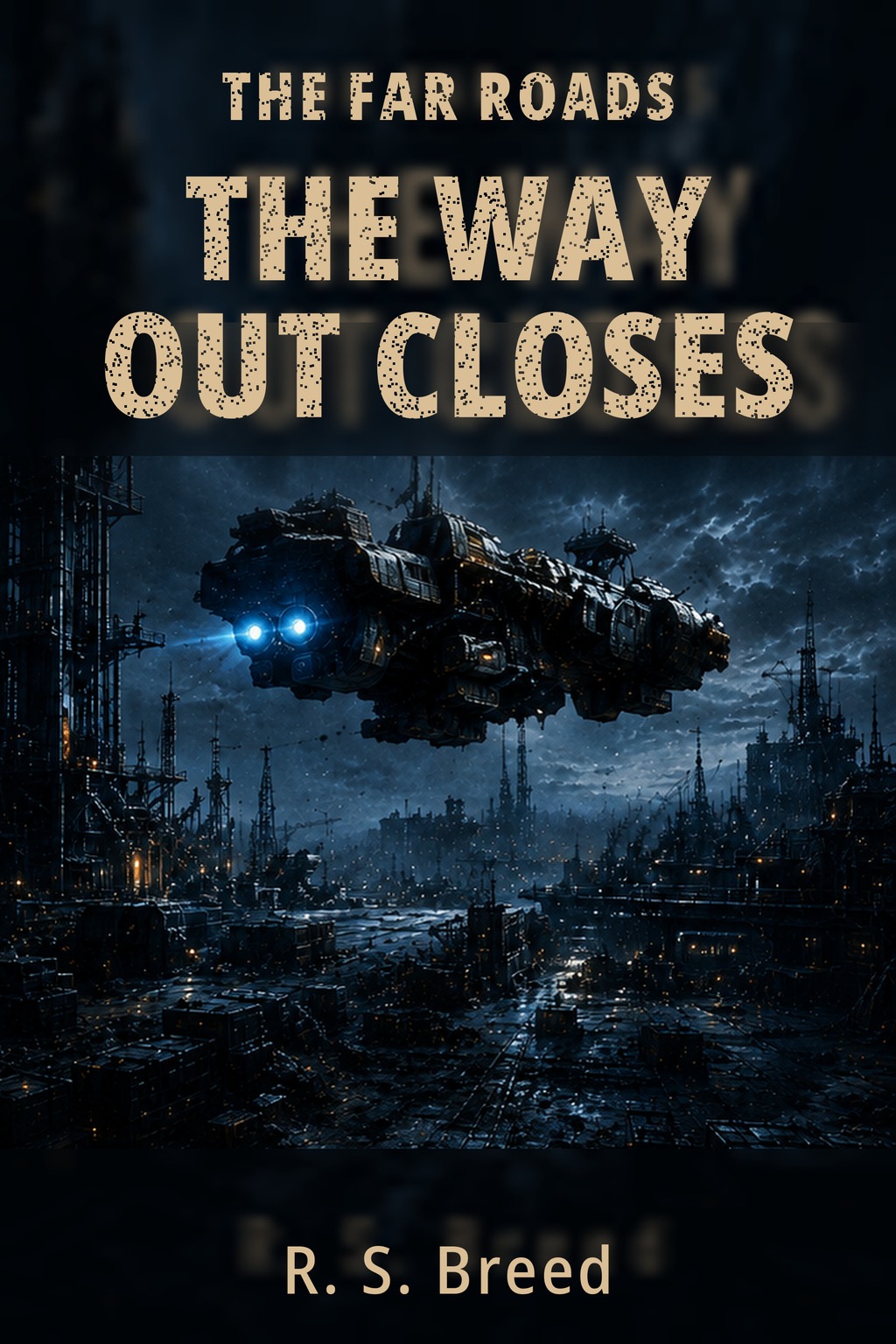
Book One: The Way Out Closes (2334)
A distress call pulls another working ship into Threap, a failing system beyond the last dependable boundary — and the road home will no longer range. A stock house is still operating beneath a dimming sky. Kestrel can reach the people stranded there; getting them out is another problem entirely. Every flight costs time, capacity and margin, and every load changes what can come off next.
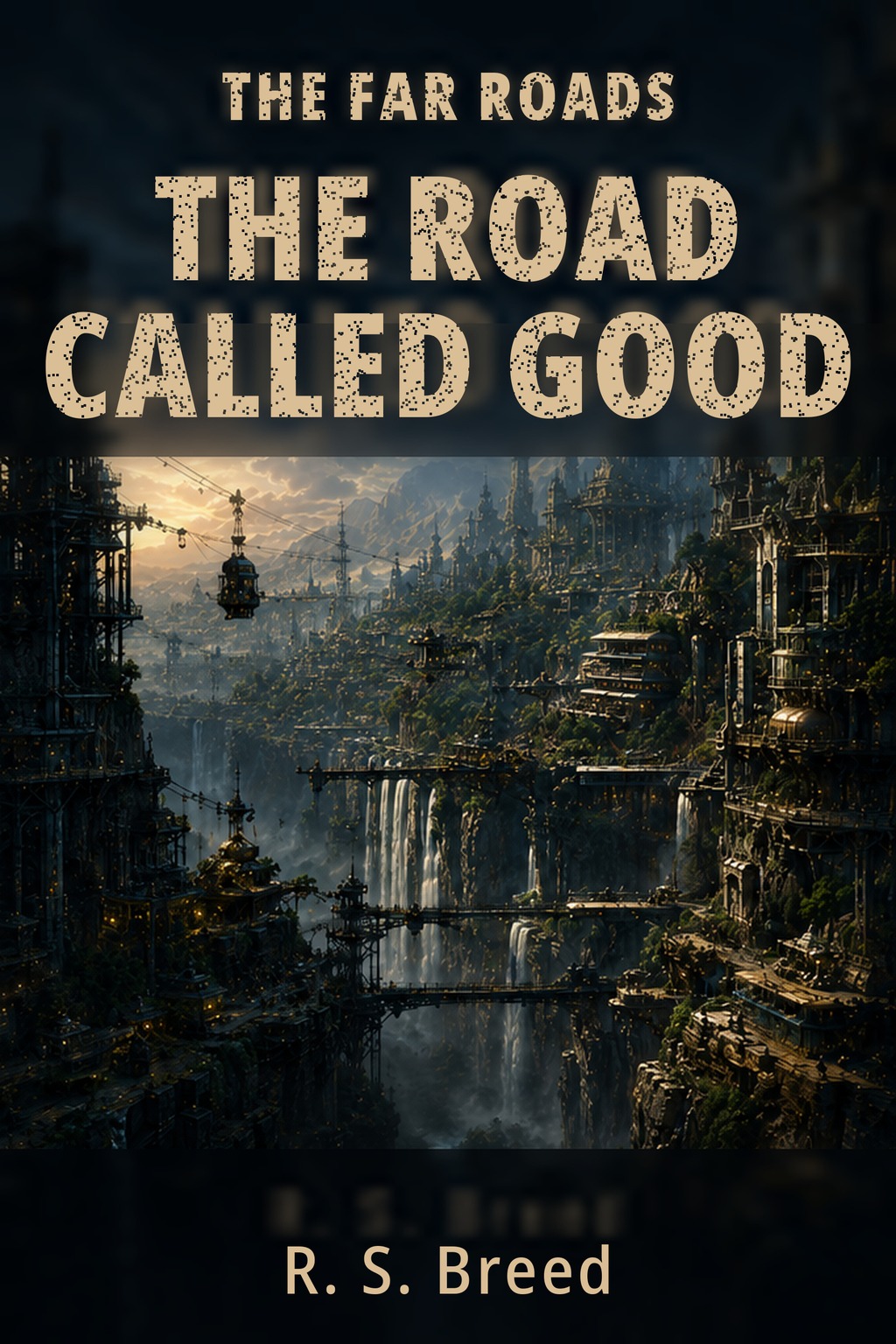
Book Two: The Road Called Good (2336)
Mireth is a world built vertically — cities climbing impossible cliffs, mirrors trading daylight between the cuts, hoists carrying commuters and freight and children who know exactly which rules they can break. Kestrel arrives to open a road. Then the new cut fails, and the infrastructure that made ordinary life possible becomes rescue geometry.
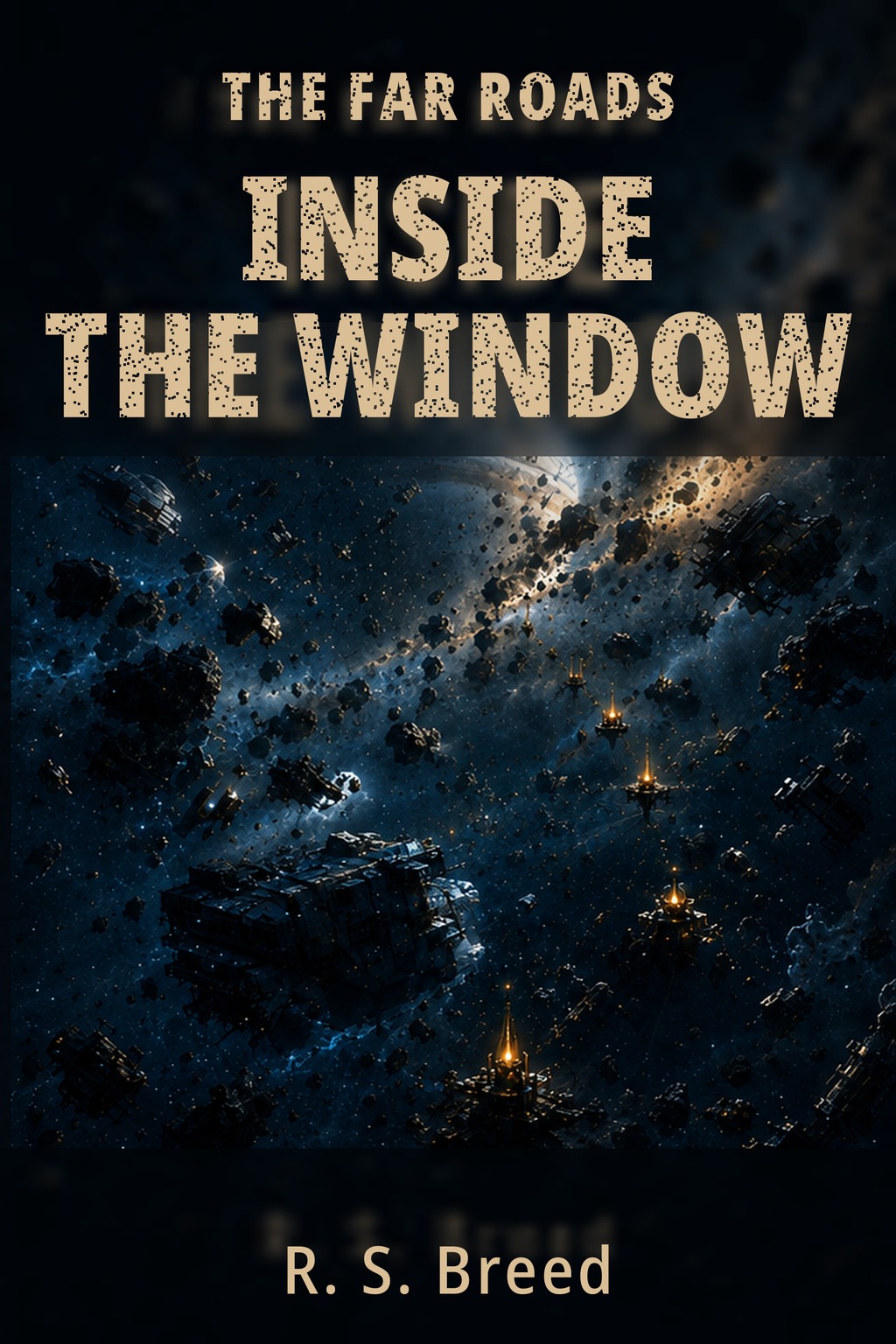
Book Three: Inside the Window (2342)
A trail left by heavy machinery leads beyond the recorded reach to a partly built works running on a schedule of its own. Machinery that large did not appear in the dark — it took water somewhere, changed hands somewhere, crossed somebody's lane. So Kestrel follows the road backwards, across ice runs, orbital yards and a marked lane through the wreckage of a shattered moon, with the clock closing ahead of her.
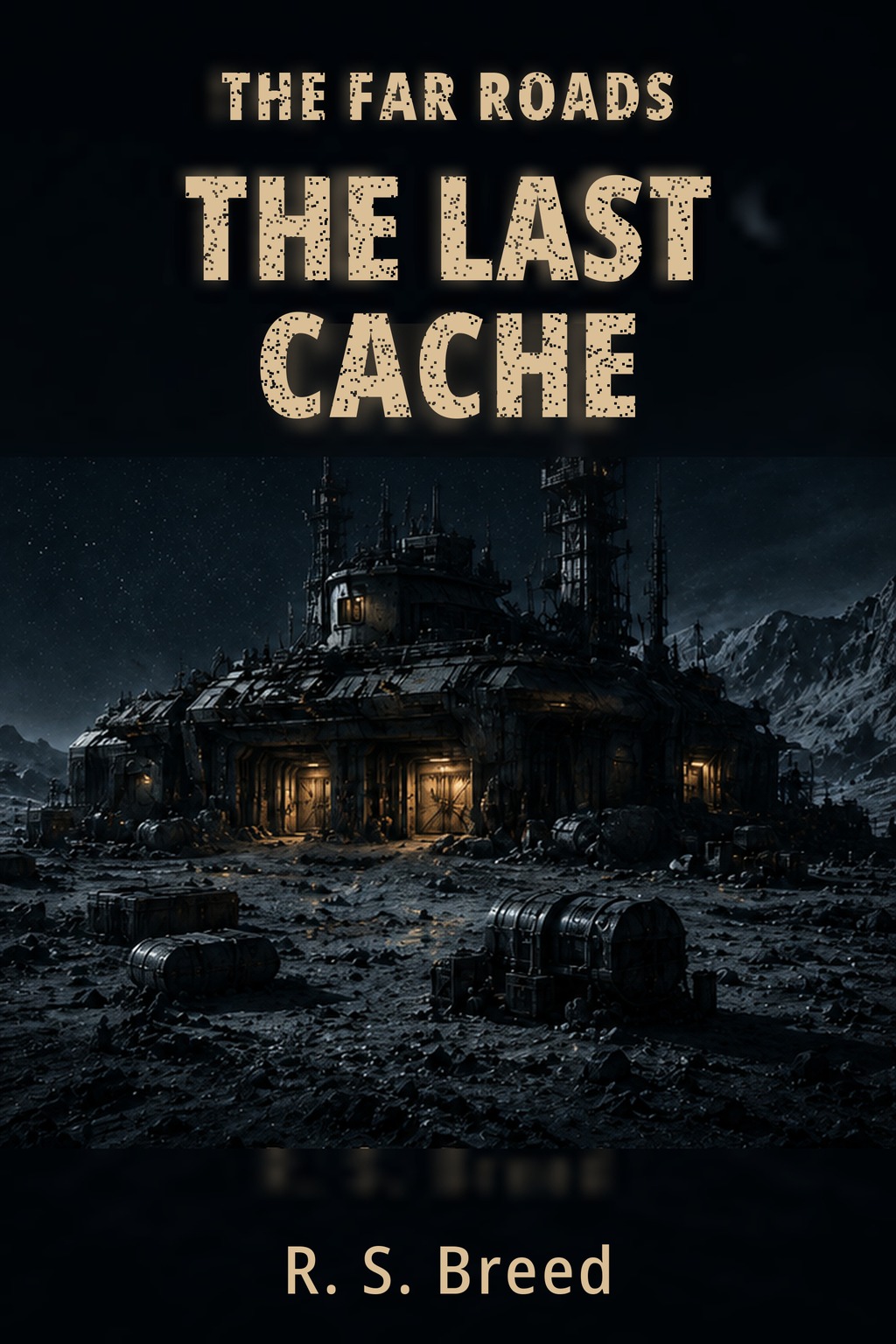
Book Four: The Last Cache (2342)
Several roads across the reach have been stripped, and there are people behind them. The missing marks and drums have not been sitting in forgotten warehouses: they have been sold, traded, installed and worked, and whole settlements now depend on machinery that belonged somewhere else first. Recovering it means changing another person's world.